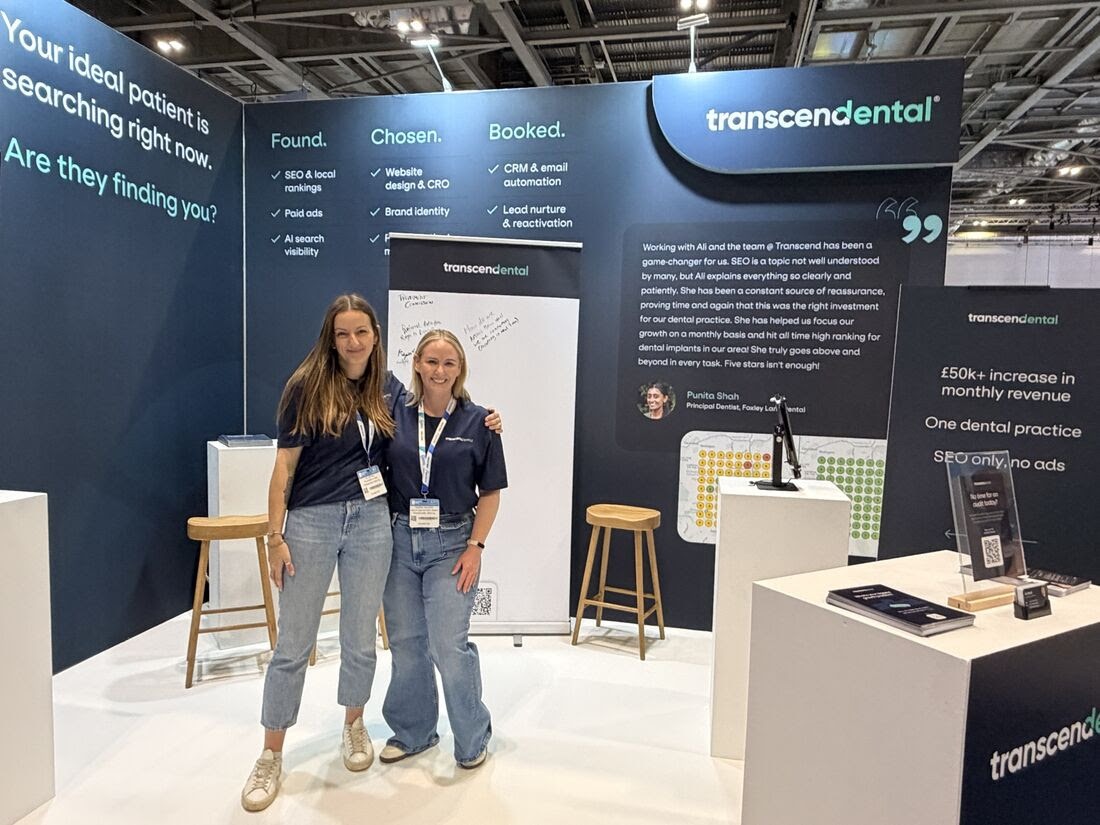
What we learned from two days of authentic conversations at Dentistry Show London 2026
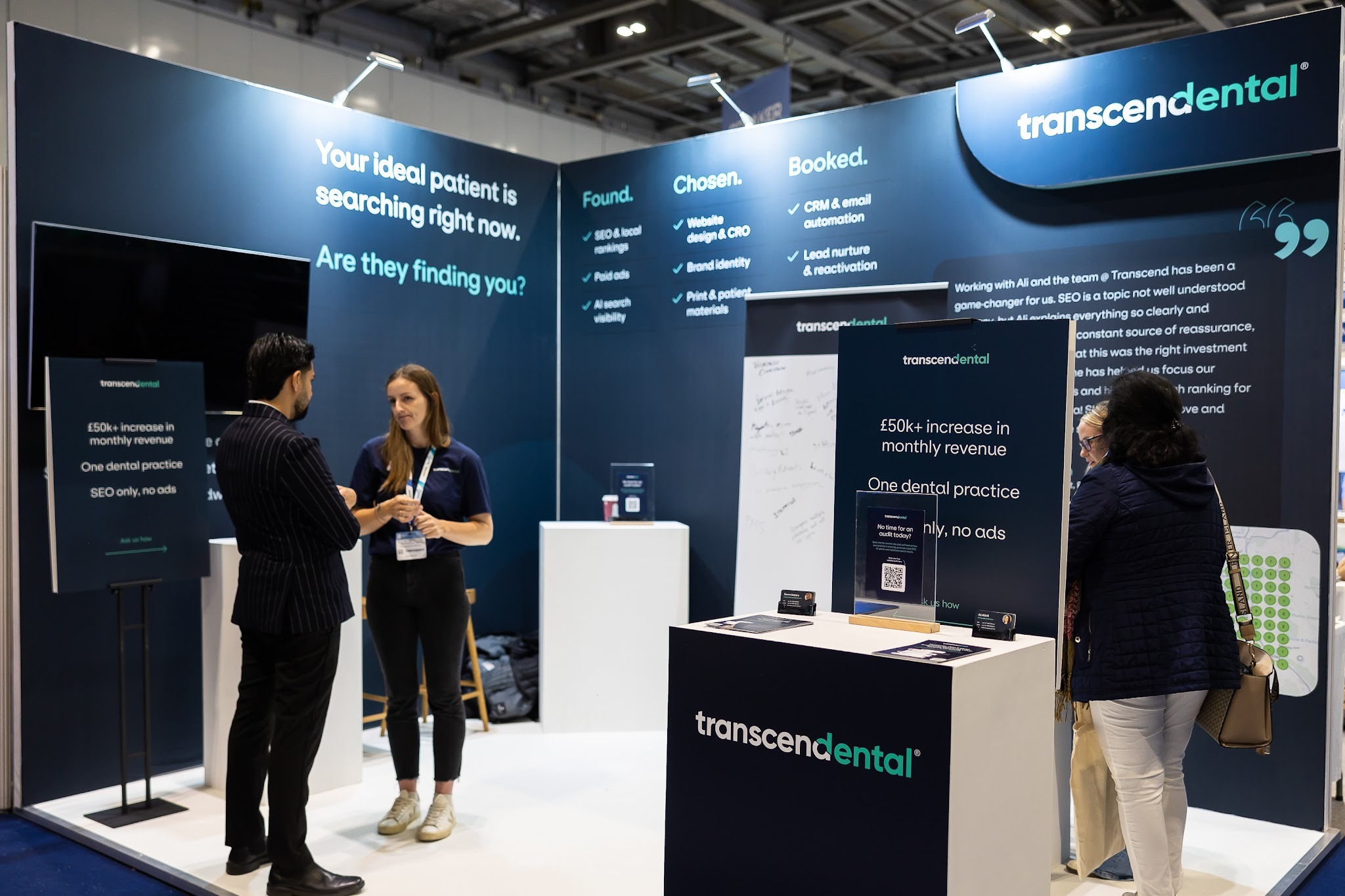
Some shows blur into a general noise of lanyards and branded pens. This one didn't.
Dentistry Show London 2026 was two days of proper conversations with people working out how to grow their practices, and the questions they brought to the stand were more pointed than anything a survey could have produced.
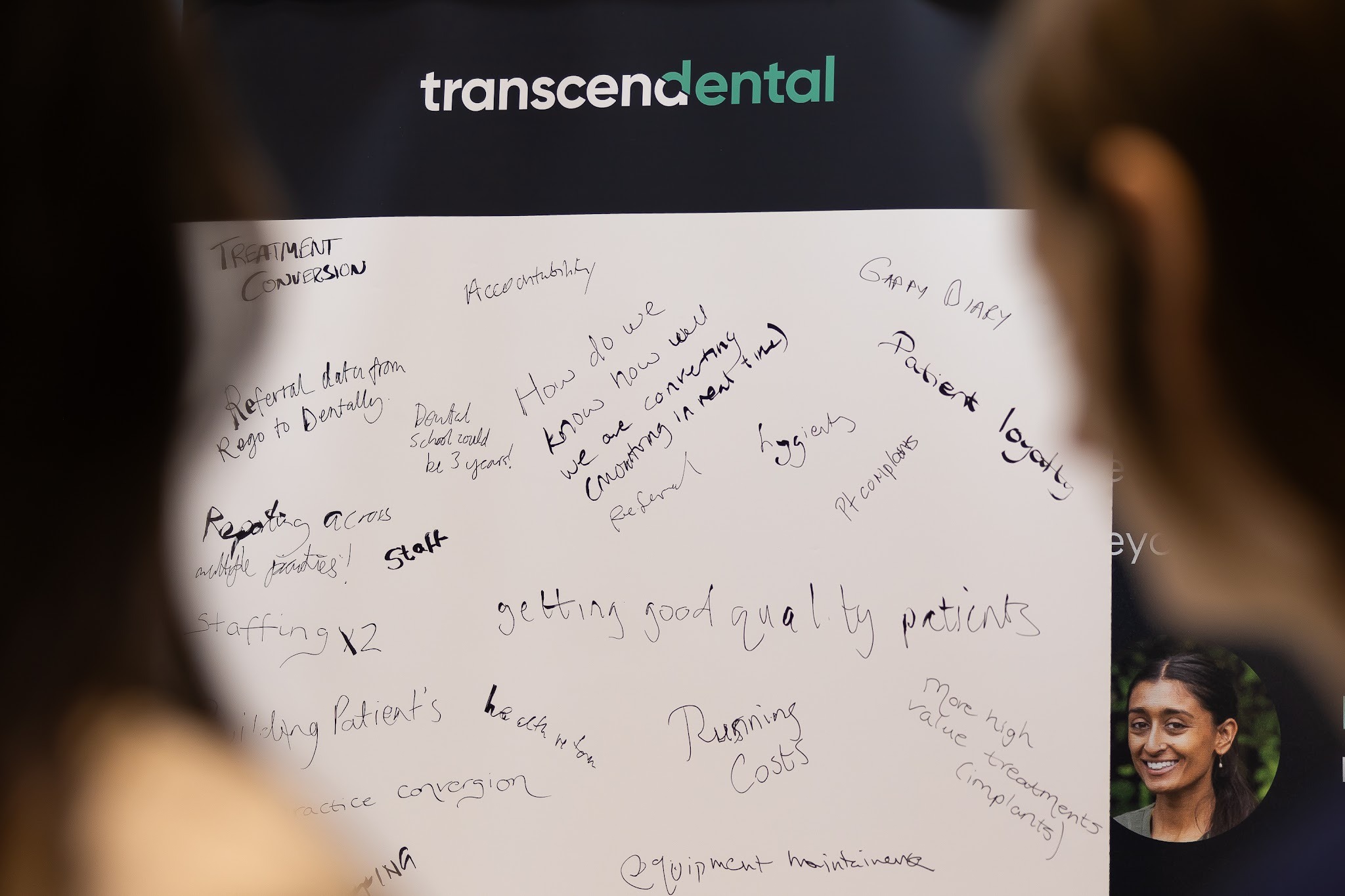
We had a board on the stand with one question. What's the biggest thing getting in the way of growth right now? Practice owners, associates and dental teams wrote their answers straight onto it. By the end of the show, the board was full.

This is what it told us, and what we took away.
Staffing, conversion and time are the real blockers
We expected marketing to dominate. It didn't, at least not in the way we assumed.
Staffing came up a lot. So did NHS pressures, treatment conversion, running costs and simply not having enough hours in the week. A few people talked about getting more of the right patients through the door, and plenty of answers had nothing to do with marketing at all.
That last one matters. A practice owner who is already at capacity doesn't need more enquiries. They need a better system for handling the ones they already get. And a practice losing half its leads between the enquiry and the booking doesn't have a visibility problem. It has a follow-up problem.
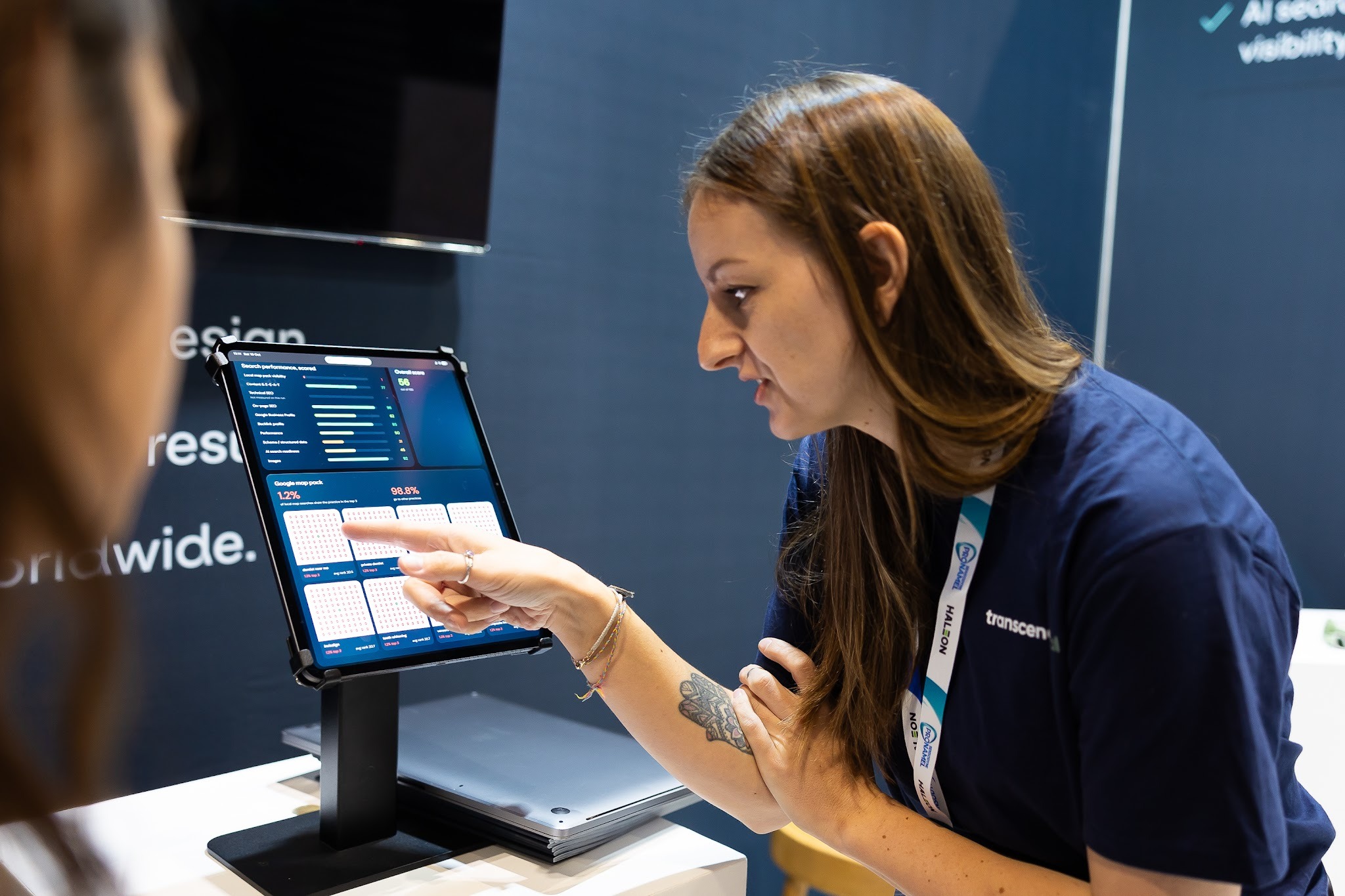
This came up repeatedly in the live audits we ran on the stand. What looked on the surface like an SEO issue was often something further down the funnel, like no one chasing missed calls, no automated follow-up, or no reminder system for treatment plans that had gone cold.
The show reinforced something we see with clients all the time. Fixing the front door is important, but so is making sure the house is in good order before more people walk through it.
Practices want clarity, not more data
One theme that came through sharply was that practice owners are increasingly tired of reports that don't tell them anything useful.
A lot of the people we spoke to were already paying for marketing. Most could tell you they were getting a monthly report. Far fewer could tell you what was actually happening, why it mattered, or how it connected to the kind of practice they were trying to build.
This isn't just about agency communication, though that plays a part. It's about what marketing reporting has traditionally looked like, with traffic graphs, keyword counts and visibility scores. Things that are easy to generate and hard to act on.
What practice owners actually want is simpler. Is the marketing working? Which treatments are driving enquiries? Where are we losing people? What should we focus on next?
We've been building our own reporting and CRM tools around exactly these questions, partly because the off-the-shelf options weren't answering them well enough. The show confirmed that appetite is real and the gap is wide.
The CRM conversation has shifted
A year ago, the conversations we were having about practice management software were mostly exploratory. People were curious, but not yet convinced they needed to change anything.
This year felt different. A lot of the practice owners we met wanted to understand what an AI patient concierge actually does.
The honest answer is that it does something most dental CRMs don't. It keeps responding when the front desk can't. Enquiries that come in overnight, at lunchtime or during a busy clinical session don't sit waiting. The system handles initial responses, books calls, qualifies leads and passes them through, so the team picks up a warm conversation rather than a cold form submission.
For practices running on thin admin resource, that gap between enquiry and response is where a lot of growth disappears.
Two features we’re building in make it different from the CRMs we’ve seen. The first is online booking that connects to the practice management system, starting with Dentally. A patient can pick a real appointment slot and book it there and then, rather than waiting for a call back, and it goes straight into the diary the team already uses.
The second is content. Most CRMs are built to manage enquiries once they arrive. Ours will also give the team content strategy prompts for social media, shaped around the treatments the practice wants more of, so what goes out on Instagram and Facebook brings in the kind of patients the practice is trying to attract. One system covers finding the right patients, answering them and getting them booked.
We're taking the first cohort now, with limited places. If this is a pressure point for your practice, we'd be happy to show you what the system does.
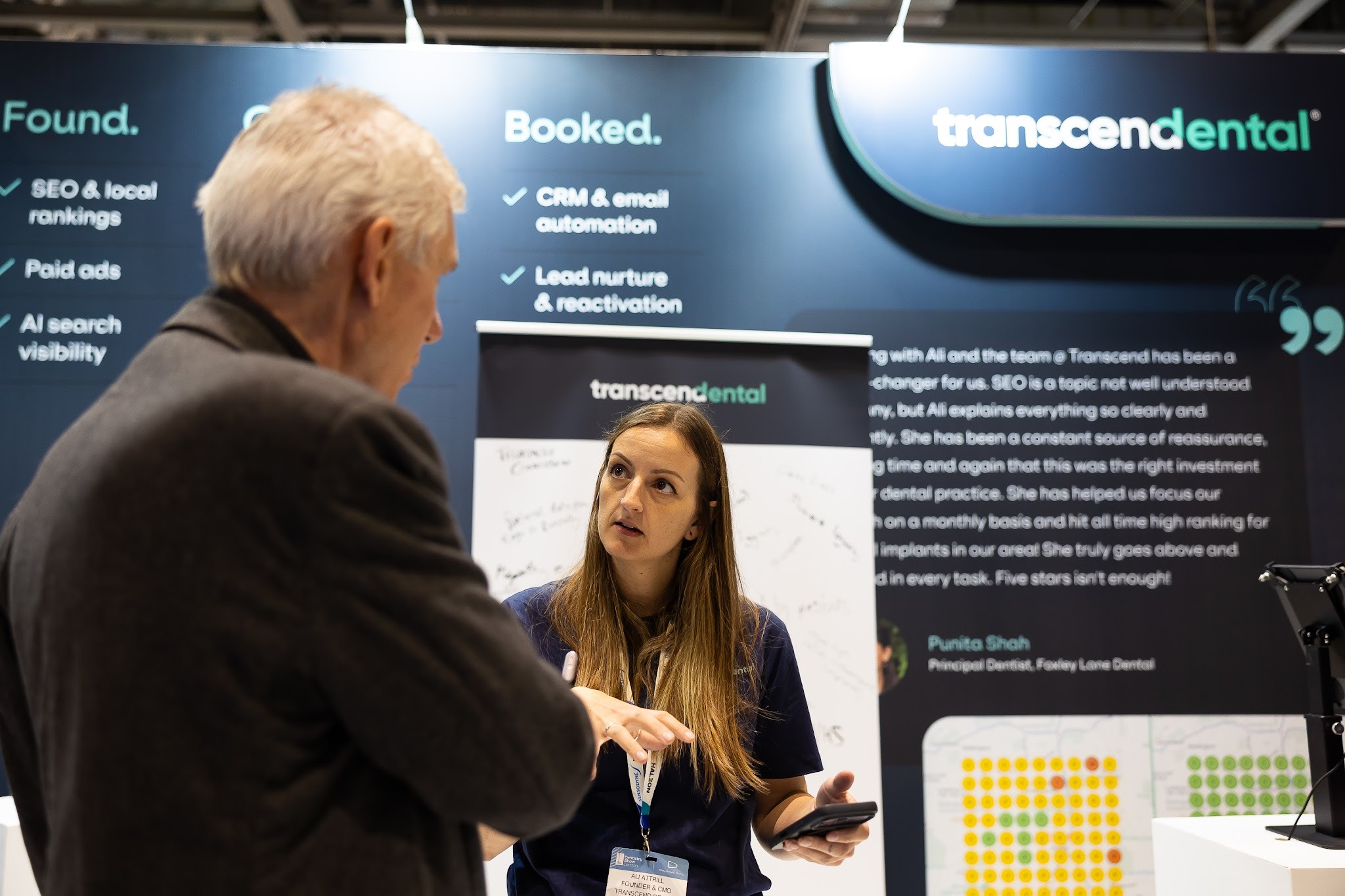
What the show felt like this year
Energetic. That's the word that kept coming back when the team compared notes after the show.
There were over 120 conversations over the two days, including the live audits, stand visits, and follow-up calls booked from the show. Stephen, our magician, deserves some credit for that. If you stopped to watch a trick, you ended up in a conversation about marketing, and quite a few of those conversations went somewhere useful.
But beneath the good energy, there was something more substantive, a sense that practice owners are getting more serious about growth. Not growth as a vague ambition, but growth as something that needs to be designed, measured and managed.
The questions were more specific than they used to be. People weren't just asking whether they should invest in SEO. They were asking which treatments to prioritise, how to track what's coming in, whether their current agency was actually moving the needle. That's a different kind of conversation, and a more interesting one.
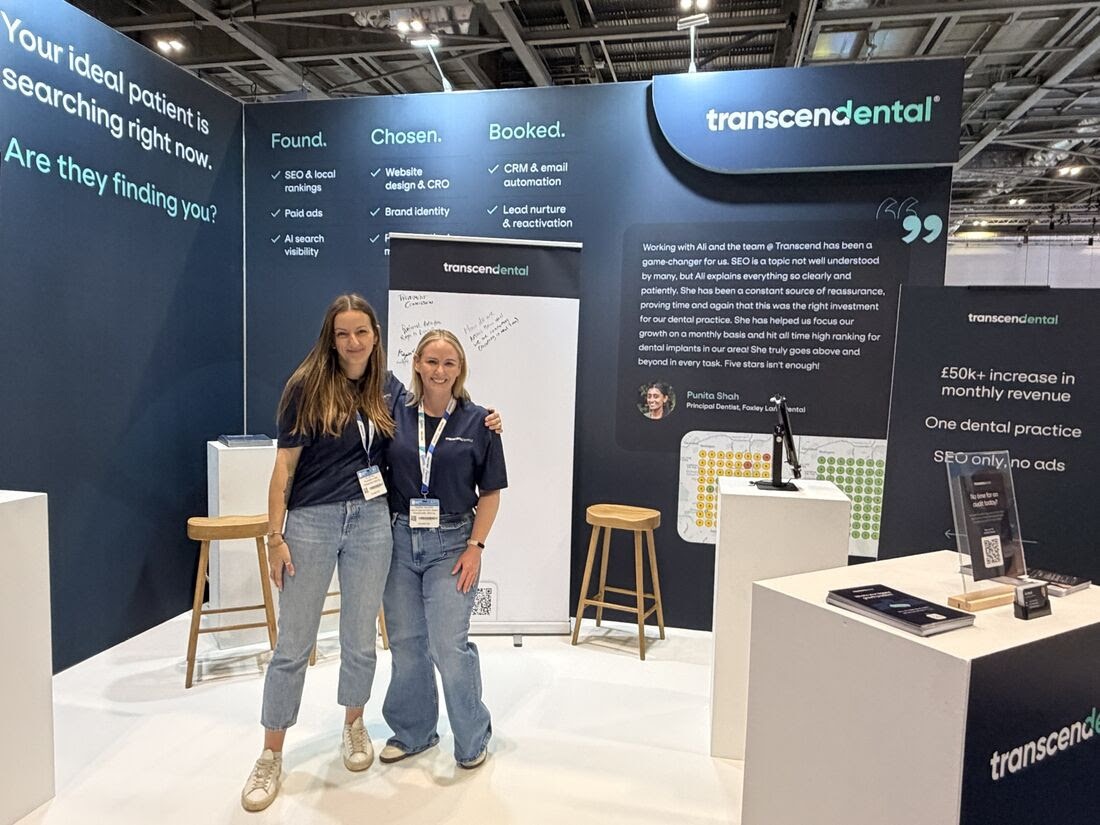
The question we're sitting with
One question kept surfacing in different forms. How do you grow a practice without it taking over your life?
It's a hard problem. More marketing activity means more enquiries means more follow-up means more admin, and at some point, the practice owner is either drowning in it or has built something that runs without them in that loop.
The practices we see doing this well have usually figured out two things. First, what kind of patients they actually want more of, rather than just more patients in general. And second, what happens to an enquiry after it arrives, so that good leads don't fall through the cracks while the team is busy with clinical work.
Both of those are things marketing can support, but only when the strategy is built around the practice's actual shape and goals, not a generic plan lifted from a template.
That's the conversation we're trying to have with more practices, and Dentistry Show London gave us a lot of new ones to continue.
What's next
We're working through the audits and follow-ups from the show now. If you were there and want to pick up a conversation, or if you'd like to see what the AI patient concierge actually does for a practice like yours, the easiest way is to book a call with Ali and Kerrin.
Or if you'd like to know how your practice is really performing in search before we speak, book a free SEO audit and we'll come back with something specific rather than a generic overview.